NSI-189 Dosage, half-life & reference guide
Also known as NSI189 · NSI 189 phosphate
An investigational drug (a small molecule, not a peptide) that stimulated the growth of new neurons in the hippocampus of mice — the brain region critical for memory and mood. Its phase 2 depression trial missed its main goal, though some thinking and mood scores improved at the lower dose, and a later phase 2b failed too.

- Studied range
- 40–80 mg
- How often
- Daily
- Evidence
- ●
●●Emerging - Route
- Oral
Studied in research — not a recommendation.
How it works.
Investigational small molecule (not a peptide) that stimulated hippocampal neurogenesis in mice; in a small human trial, hippocampal volume did not change significantly. Its mechanism is unknown: it works independently of monoamine reuptake, and mouse studies link it to BDNF/TrkB signalling. A phase 2 depression trial missed its primary endpoint, with some self-rated mood and thinking scores improving at the lower dose, and a later phase 2b also failed.
Commonly reported: A slow, gradual lift in mood and mental clarity over weeks, headaches and sometimes irritability or anxiety early on, and for many, no noticeable effect.
Where NSI-189 works.
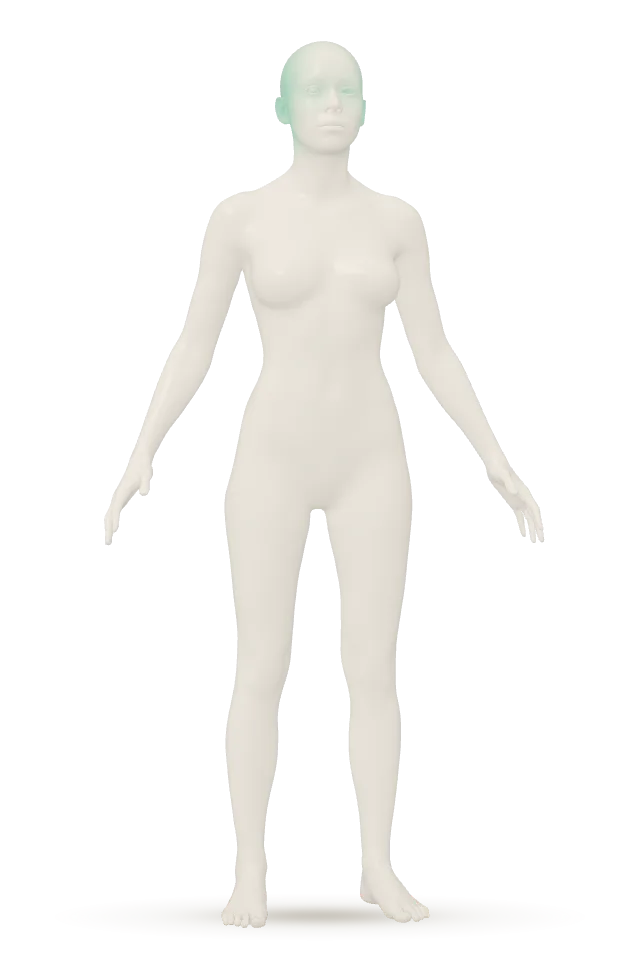
Brain, nerves & sleep
In people. Its phase 2 depression trial missed its main goal, though some thinking and mood scores improved at the lower dose.
An area lights for what a peptide is used for and what people report, with the evidence beside it. It isn’t a promise that it works there.
Week by week.
What to expect in the first 8 weeks
Day 1–14Community
Mood and clarity ramp slowly
Commonly reported: NSI-189 is slower than most cognitive compounds, and the first week or two is often dull, with some users feeling a temporary uptick in anxiety or irritability. For those who respond, the shift usually lands in the 2–4 week window; many notice nothing.
The science
NSI-189 is a small-molecule neurogenic compound (not a peptide, technically) that stimulated hippocampal neurogenesis in mice. Its mechanism is unknown: it doesn't act on monoamine reuptake, and mouse studies link its effects to BDNF/TrkB signalling (Liu 2019). In a phase 1B trial in 24 patients with depression (Fava et al. 2016), cognitive and mood scores improved and some gains outlasted the 28-day dosing period; headache (50%), dizziness and sleepiness were the most common side effects.
Sources- Fava et al. (2016)
- Liu et al. (2019)
Updated Sep 2026
Day 14–56RCT
Mood and memory lifting
Commonly reported by those who respond: mood lifts and memory and clarity feel sharper, in a gradual, non-stimulant way. In trials, depression scores didn't beat placebo overall.
The science
Phase 1B data (Fava et al. 2016, 24 patients) showed improvement in cognitive symptoms of depression that outlasted the 4-week dosing by several weeks; the larger phase 2 (Papakostas 2020, n=220) missed its primary depression endpoint, with some secondary gains at 40 mg. The neurogenesis case rests on rodent work showing new hippocampal neuron formation with NSI-189 exposure (McIntyre 2017 review).
Sources- Fava et al. (2016)
- Papakostas et al. (2020)
- McIntyre et al. (2017)
Updated Sep 2026
Day 56–84Clinical
Cycle off and watch what holds
Commonly reported: benefits often persist after cycling off, and in a small trial some gains held for weeks after dosing stopped. Community users take a 4+ week break at 8–12 weeks and notice what sticks, which is why it's used intermittently rather than continuously. The "real structural change" claim is unproven: hippocampal volume didn't change in people.
The science
In the phase 1B trial (24 patients), some mood and cognitive benefits were still present at day 84, eight weeks after dosing ended (Fava 2016). That pattern would fit neurogenesis-mediated effects, but the trial was small and hippocampal volume didn't change significantly on MRI.
Sources- Fava et al. (2016)
Updated Sep 2026
Any dayRCT
What NSI-189 is built on
NSI-189 has real phase 2 clinical data in depression: the trial missed its primary endpoint, with some positive secondary mood and cognition signals at the lower dose. Neuralstem's program stalled after that miss; Alto Neuroscience later tested it as ALTO-100, and its 2024 depression trial also failed. Safety was never the problem.
The science
Developed by Neuralstem (later Seneca Biopharma); now owned by Alto Neuroscience as ALTO-100 (amdiglurax). The phase 2 trial (Papakostas 2020, n=220) missed its MADRS primary endpoint (p=0.22 and 0.34), with some secondary improvements at 40 mg. A phase 2b (n=301) failed in 2024; a bipolar-depression trial is ongoing. Safety profile in trials was clean.
Sources- Papakostas et al. (2020)
- Fava et al. (2016)
Updated Sep 2026
Day 1 is the day you start it.
A typical run.
Run notes
- Cycle
- 8 weeks on, 4 off commonly cited. In a small trial, some gains held for weeks after a 4-week course.Community practice — opinions vary. Not a clinical recommendation.
- Timing
- Twice daily oral. Morning and midday — evening dosing may disrupt sleep.
- Route
- Oral
- Stacks
- Semax, Selank
Safety.
Common side effects
- Headache
- Irritability at high doses
- Vivid dreams
- Initial anxiety increase
Questions people ask.
What is NSI-189?
An investigational drug (a small molecule, not a peptide) that stimulated the growth of new neurons in the hippocampus of mice — the brain region critical for memory and mood. Its phase 2 depression trial missed its main goal, though some thinking and mood scores improved at the lower dose, and a later phase 2b failed too.
How is NSI-189 dosed in research?
The research range for NSI-189 is 40–80 mg, daily, split into 2 doses. Studied in research — not a recommendation.
How long does NSI-189 last?
The half-life of NSI-189 is about 17–20 hours (human data).
What do people report on NSI-189?
Commonly reported on NSI-189: A slow, gradual lift in mood and mental clarity over weeks, headaches and sometimes irritability or anxiety early on, and for many, no noticeable effect.
Is NSI-189 safe?
The research basis for NSI-189 is emerging: primarily preclinical / limited human data. Common side effects in the library: headache, irritability at high doses, vivid dreams and initial anxiety increase.
What does NSI-189 stack with?
Common stacks for NSI-189: Semax and Selank.
Research.
Reference.
- Cadence
Daily
Daily, split into 2 doses
- Half-life
About 17–20 hours (human data)
- Research basis
●
●●EmergingPrimarily preclinical / limited human data
PepVault for iPhone
Track NSI-189 in PepVault
Log every dose, with reminders on your schedule. 7 days free on the yearly plan for new subscribers.

Reviewed How we check the library