Dihexa Dosage, half-life & reference guide
Also known as PNB-0408 · N-hexanoic-Tyr-Ile-(6) aminohexanoic amide
An experimental nootropic that increased new synaptic connections between neurons in rat studies from one lab. Its proposed mechanism, the HGF/MET growth-factor system, rests on a paper retracted in 2025 for fabricated data, and it has never been tested in humans.

- Studied range
- 10–30 mg
- How often
- Daily
- Half-life
- Very long
- Evidence
- ●
●●Emerging - Routes
- Oral, Topical
Studied in research — not a recommendation.
How it works.
Nootropic peptide derived from angiotensin IV. In rat neurons it increased new synaptic connections; its developers linked it to the HGF/MET growth-factor system, but that paper was retracted in 2025 for fabricated data. The often-quoted "millions of times more potent than BDNF" figure traces to a 2012 press release, not a peer-reviewed paper.
Commonly reported: Sharper word-finding and verbal fluency within the first days, overstimulation or poor sleep at higher doses, and for many, little or no effect. It stays in the body for weeks (long half-life in rats). Very experimental — approach with caution.
Where Dihexa works.
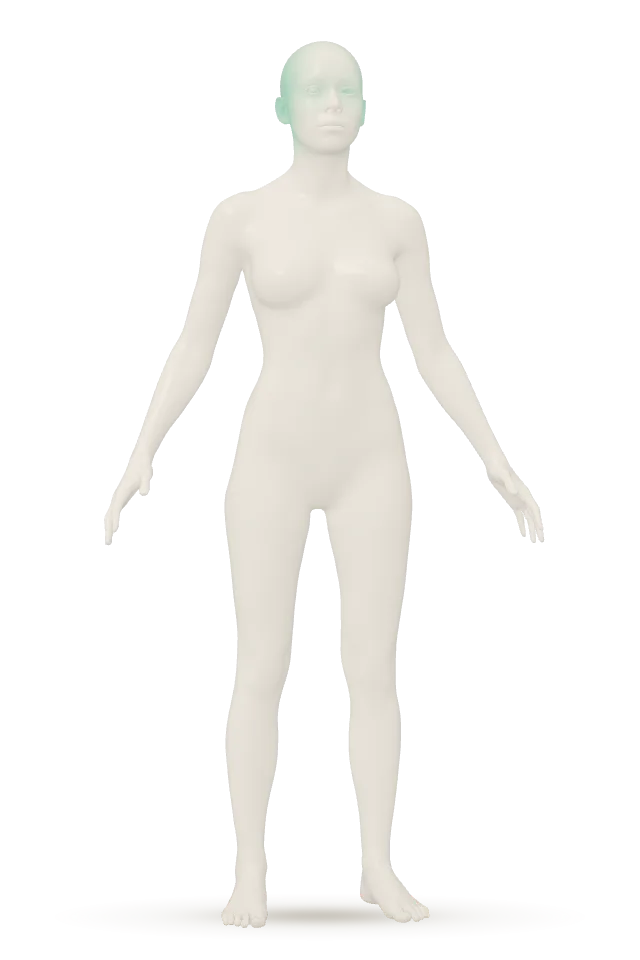
Brain, nerves & sleep
In animals. An experimental nootropic that increased new synaptic connections between neurons in rat studies from one lab.
An area lights for what a peptide is used for and what people report, with the evidence beside it. It isn’t a promise that it works there.
Week by week.
What to expect in the first 8 weeks
Day 1–7Community
Signal comes in fast
Commonly reported: Dihexa hits differently than most nootropics, with mental sharpness and verbal fluency coming online within the first few days, though many notice little. Users start low and treat disrupted sleep or overstimulation as the signal to back off.
The science
Dihexa is a modified angiotensin IV analog that its developers linked to the HGF/c-Met system (the key paper was retracted in 2025 for fabricated data). McCoy et al. 2013 found it increased spines and synapses in rat hippocampal neurons and reversed memory deficits in scopolamine-treated and aged rats; that paper carries a 2021 expression of concern. HGF/Met signaling is also implicated in some cancer biology, so the cancer concern is taken seriously even though it's untested.
Sources- McCoy et al. (2013)
Updated Sep 2026
Day 7–28Community
Memory and verbal clarity climb
Commonly reported by those who respond: sharper memory, faster recall and smoother verbal flow. Users keep the dose conservative — more isn't better with this compound, and overstimulation is the usual first sign of too much.
The science
McCoy et al. 2013 showed oral dihexa reversed spatial memory deficits in aged (24-month) rats. It has a long half-life in rats (~12.7 days), so it stays in the body for weeks after the last dose; whether its effects outlast dosing was never measured. Human pharmacokinetics are not characterized.
Sources- McCoy et al. (2013)
Updated Sep 2026
Day 28–56Community
Wrap the cycle here
Community protocols cap the cycle at 4–8 weeks. Dihexa stays in the body for weeks after the last dose, so extending the cycle adds exposure and risk rather than benefit. A long break and a reassessment are the usual next step.
The science
Its long half-life in rats (~12.7 days) is one reason the cycle-off convention is long (months, not weeks); no study measured whether synaptic changes outlast dosing. No human chronic dosing data exists; the oncogenic concern via c-Met is theoretical but mechanistically valid.
Sources- McCoy et al. (2013)
Updated Sep 2026
Any dayAnimal
What Dihexa is built on
Dihexa has striking rat cognitive data from one lab and no human clinical trials. The proposed mechanism is unusual: the developers linked it to HGF/Met, but that paper was retracted in 2025, and the same pathway is implicated in cancer biology. Early-stage research compound, approach accordingly.
The science
Developed by Joe Harding's lab at Washington State University as an Alzheimer's drug candidate. It was never tested in humans; the licensee abandoned it by 2015, and the company's successor HGF-modulating drug failed a phase 2/3 Alzheimer's trial. In 2025 three of the lab's papers were retracted for falsified or fabricated data, including the HGF/c-Met mechanism paper; McCoy 2013 stands with an expression of concern. c-Met activation is a theoretical oncogenic risk — relevant because the receptor is upregulated in several cancers and dihexa is reported to activate it.
Sources- McCoy et al. (2013)
- JPET retraction notice (2025)
Updated Sep 2026
Day 1 is the day you start it.
A typical run.
Run notes
- Cycle
- 4–8 week cycles maximum. It has a long half-life in rats (~12.7 days), so it stays in the body for weeks after the last dose.Community practice — opinions vary. Not a clinical recommendation.
- Timing
- Once daily oral or topical. Morning preferred — can cause alertness interfering with sleep.
- Routes
- Oral, Topical (DMSO carrier)
- Stacks
- Semax, Selank
Safety.
Common side effects
- Overstimulation
- Insomnia
- Anxiety
- Vivid dreams
- Potential oncogenic risk (research stage)
Questions people ask.
What is Dihexa?
An experimental nootropic that increased new synaptic connections between neurons in rat studies from one lab. Its proposed mechanism, the HGF/MET growth-factor system, rests on a paper retracted in 2025 for fabricated data, and it has never been tested in humans.
How is Dihexa dosed in research?
The research range for Dihexa is 10–30 mg, daily (cycle 4–8 weeks). Studied in research — not a recommendation.
How long does Dihexa last?
The half-life of Dihexa is very long (weeks) — accumulates.
What do people report on Dihexa?
Commonly reported on Dihexa: sharper word-finding and verbal fluency within the first days, overstimulation or poor sleep at higher doses, and for many, little or no effect. It stays in the body for weeks (long half-life in rats). Very experimental — approach with caution.
Is Dihexa safe?
The research basis for Dihexa is emerging: primarily preclinical / limited human data. Common side effects in the library: overstimulation, insomnia, anxiety, vivid dreams and potential oncogenic risk (research stage).
What does Dihexa stack with?
Common stacks for Dihexa: Semax and Selank. Curated stacks with Dihexa: Limitless.
Research.
Reference.
- Cadence
Daily
Daily (cycle 4–8 weeks)
- Half-life
Very long
Very long (weeks) — accumulates
- Research basis
●
●●EmergingPrimarily preclinical / limited human data
PepVault for iPhone
Track Dihexa in PepVault
Log every dose, with reminders on your schedule. 7 days free on the yearly plan for new subscribers.

Reviewed How we check the library