Pancragen Dosage, half-life & reference guide
Also known as Lys-Glu-Asp-Trp · KEDW peptide
Reviewed 1 studyEvidence: EmergingPublished by PepVault
A four-amino-acid peptide from the Russian bioregulator program, which its developers describe as a bioregulator for the pancreas. In old monkeys it brought sugar handling back toward that of young ones, and in older people with type 2 diabetes it lowered fasting blood sugar against an untreated group, in a small study by its developers.

- How often
- Daily
- Half-life
- Unknown
- Evidence
- ●
●●Emerging - Routes
- SubQ, Oral capsules
No study has set a dose of Pancragen: its one human study states none, and the amounts people run are their own protocol, not a reference.
How it works.
A tetrapeptide, Lys-Glu-Asp-Trp (KEDW), from Vladimir Khavinson's St. Petersburg bioregulator program, which its developers describe as the bioregulator of the pancreas. In aging human pancreatic cells grown in the lab it raised the genes that make islet and enzyme cells mature, such as Pdx1 and Pax6. In rats with induced diabetes, taken by mouth it lowered blood sugar; in old rhesus monkeys, ten days of injections sped the clearing of sugar from the blood and brought insulin and C-peptide back toward the pattern of young animals, partly still there three weeks later. In 33 older people with type 2 diabetes, fasting blood sugar and insulin resistance fell in those given it and not in those who weren't, in a study by its developers not described as randomized.
Commonly reported: Little to feel; user reports are few.

PepVault for iPhone
Track pancragen in PepVault
Log each dose, see how many doses are left in the vial, and keep your step-ups in one place.

7 days free on the yearly plan for new subscribers.
Where Pancragen works.
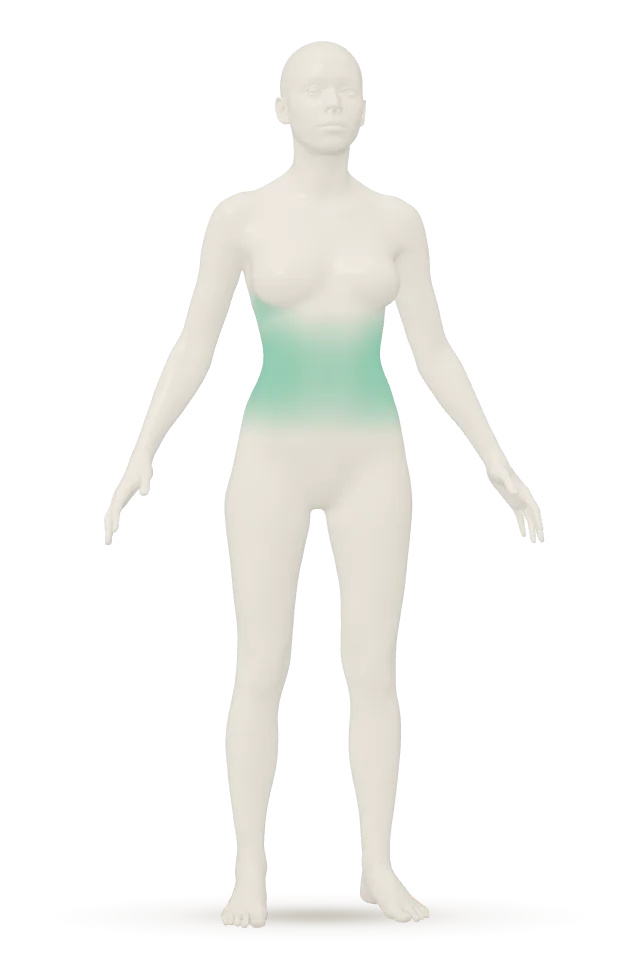
Appetite & metabolism
In people. In older people with type 2 diabetes it lowered fasting blood sugar against an untreated group, in a small study by its developers.
An area lights for what a peptide is used for and what people report, with the evidence beside it. It isn’t a promise that it works there.
Week by week.
What to expect in the first 8 weeks
- Onset
- Days to weeks (monkey and human studies)
- Peak effect
- Not established
- Duration
- Courses of 10–30 days (community practice)
Day 1–10Community
Watch your glucose, not your mood
Pancragen's studies measured blood sugar, so that is the honest thing to watch during a course. Commonly reported: little to feel; some redness where it goes in. If you take glucose-lowering medicine, your clinician should know.
Updated Nov 2026
Day 10–30Animal
What the monkey studies found
In old rhesus monkeys, ten days of Pancragen brought their sugar handling back toward that of young monkeys, and part of the effect was still there three weeks later. Monkeys are close to people, and it is still an animal result.
The science
Goncharova 2014: old female rhesus monkeys, 10 days intramuscularly; faster glucose disappearance, normalized insulin and C-peptide dynamics after a glucose load, partly kept 3 weeks after stopping. Goncharova 2015: 9 old females, Pancragen against glimepiride; both lowered basal glucose, Pancragen normalized insulin and C-peptide, glimepiride gave a stronger, later fall in glucose.
Sources- Goncharova et al. (2014)
- Goncharova et al. (2015)
Updated Nov 2026
Day 30–120Clinical
The one study in people
In 33 older people with type 2 diabetes, fasting blood sugar and insulin resistance fell in those given Pancragen and not in those who weren't. It is one small study by its developers, not described as randomized.
The science
Korkushko 2011: 30 healthy older people and 33 older patients with type 2 diabetes, whose night-time melatonin was 70% lower; in the patients, Pancragen lowered fasting glucose and the glucose-tolerance curve, plasma insulin and the insulin-resistance index; patients not given it showed no change.
Sources- Korkushko et al. (2011)
Updated Nov 2026
Any dayClinical
What Pancragen is built on
A four-amino-acid peptide from the Russian bioregulator program, its peptide for the pancreas. Its evidence runs from human pancreatic cells to rats, old monkeys and one small study in older people with type 2 diabetes, almost all by its developers.
The science
Khavinson 2013: in aging human pancreatic cell cultures it raised Pdx1, Ptf1a, Pax6, Pax4, Foxa2 and Nkx2.2. Khavinson 2007: oral Pancragen (Lys-Glu-Asp-Trp-NH2) lowered glucose in streptozotocin-diabetic rats. Goncharova 2014 and 2015: old rhesus monkeys. Korkushko 2011: 33 older people with type 2 diabetes.
Sources- Khavinson et al. (2013)
- Khavinson et al. (2007)
- Goncharova et al. (2014)
- Korkushko et al. (2011)
Updated Nov 2026
With VesugenCommunity
Beside the vessel peptide
Pancragen is sold and run beside other bioregulators, the vessel peptide Vesugen among them. No study has tested the two together.
The science
The pairing is community and protocol practice: bioregulators are run one per organ, side by side. Each one's evidence is separate.
Updated Nov 2026
Day 1 is the day you start it.
The human data are one small comparison by its developers, not described as randomized or blinded. The rest comes from monkeys, rats and human cells in the lab, almost all by its developers.
Preliminary research
A typical run.
Run notes
- Cycle
- Run in short courses rather than continuously, like the other bioregulators: the monkey studies gave it for 10 days, and community courses run 10–30 days, a few times a year. No study in people has tested a course length.Community practice — opinions vary. Not a clinical recommendation.
- Timing
- No timing has been studied. In rats it worked by mouth as well as by injection.
- Routes
- SubQ injection, Oral capsules
- Stacks
- Vesugen
Safety.
Common side effects
- Injection-site redness or itch
Interactions
No interaction studies exist. Its glucose-lowering effect in studies makes insulin, sulfonylureas such as glimepiride, and other diabetes medicines the ones to raise with your clinician.
Safety notes
No study has looked at the safety of Pancragen on its own, and its long-term effects are unknown. It lowered blood sugar in rats, monkeys and people with type 2 diabetes, so anyone on insulin or other glucose-lowering medicine, or prone to low blood sugar, has a reason to talk with their clinician first. Discuss with your clinician before use, particularly during pregnancy or breastfeeding.
Goes with.
One question at a time.
Studies, in plain English.
Questions people ask.
What is Pancragen?
A four-amino-acid peptide from the Russian bioregulator program, which its developers describe as a bioregulator for the pancreas. In old monkeys it brought sugar handling back toward that of young ones, and in older people with type 2 diabetes it lowered fasting blood sugar against an untreated group, in a small study by its developers.
How is Pancragen dosed in research?
The library carries no reference dose for Pancragen. No study has set a dose of Pancragen: its one human study states none, and the amounts people run are their own protocol, not a reference.
How long does Pancragen last?
The half-life of Pancragen is unknown (never measured).
What do people report on Pancragen?
Commonly reported on Pancragen: little to feel; user reports are few.
Is Pancragen safe?
The research basis for Pancragen is emerging: primarily preclinical / limited human data. Common side effects in the library: injection-site redness or itch.
What does Pancragen stack with?
Common stacks for Pancragen: Vesugen.
Research.
Reference.
- Cadence
Daily
- Half-life
Unknown
Unknown (never measured)
- Research basis
●
●●EmergingPrimarily preclinical / limited human data
PepVault for iPhone
Track pancragen in PepVault
Log each dose, see how many doses are left in the vial, and keep your step-ups in one place.
7 days free on the yearly plan for new subscribers.
Reviewed How we check the library