Enclomiphene Dosage, half-life & reference guide
Also known as Androxal · Trans-clomiphene · Enclomiphene citrate
An oral medication that blocks estrogen's negative feedback at the hypothalamus, tricking your brain into producing more LH and FSH — which stimulates your body's own testosterone production. Enclomiphene is the purified active isomer of clomiphene, designed to cause fewer estrogenic side effects. In phase 3 trials it raised testosterone while largely keeping sperm production, but it isn't approved anywhere: the EU refused it in 2018, citing no symptom-benefit data and a blood-clot risk.

- Studied range
- 12.5–25 mg
- How often
- Daily
- Half-life
- ~10 hours
- Evidence
- ●●
●Moderate - Route
- Oral
Studied in research — not a recommendation.
How it works.
Selective estrogen receptor modulator (SERM) and the pure trans-isomer of clomiphene. Blocks estrogen negative feedback at the hypothalamus, increasing LH and FSH production which stimulates endogenous testosterone production. Designed to cause fewer estrogenic side effects than clomifene citrate, since it lacks the estrogenic zuclomiphene isomer (no head-to-head trial). SERM, not a peptide — included as it is commonly used in hormonal optimization and TRT-adjacent protocols.
Commonly reported: Better energy and libido over a few weeks as testosterone rises, mood changes such as irritability in some, and occasional visual disturbances that make some people stop. Used as a TRT alternative or in post-cycle therapy (PCT) to restart natural testosterone.
Where Enclomiphene works.
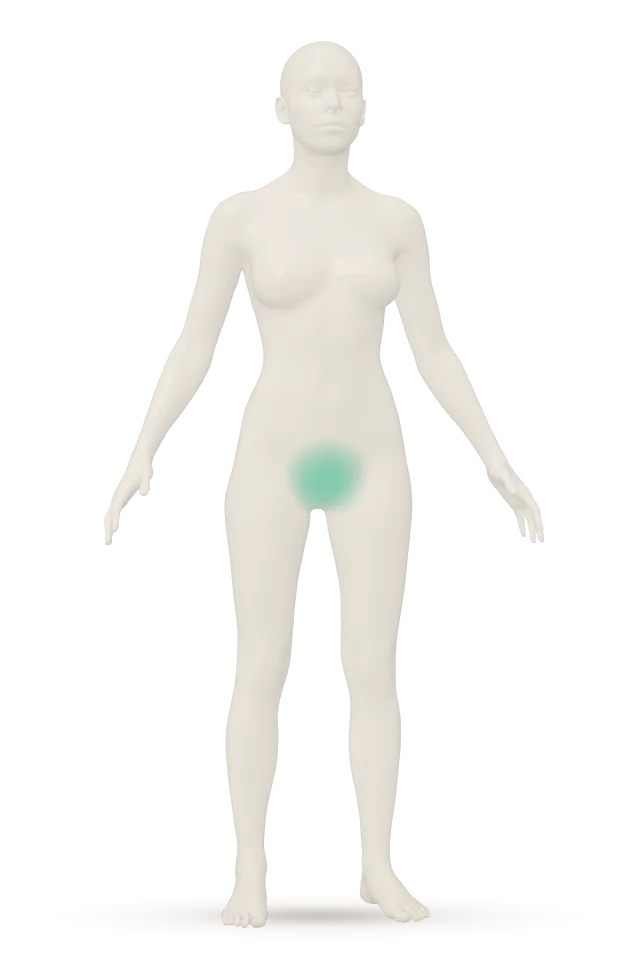
Sex & hormones
In people. In phase 3 trials it raised testosterone while largely keeping sperm production.
An area lights for what a peptide is used for and what people report, with the evidence beside it. It isn’t a promise that it works there.
Week by week.
What to expect in the first 8 weeks
Day 1–14RCT
LH and FSH climbing, T follows
Enclomiphene works by blocking estrogen's feedback signal at the hypothalamus, so your brain increases LH and FSH output. LH rises within the first few days; testosterone follows. Expect a measurable shift on labs drawn 2–4 weeks in.
The science
Enclomiphene is the pure trans-isomer of clomiphene — the active form without the estrogenic zuclomiphene fraction. Wiehle et al. 2013 (phase 2, 48 men) showed total testosterone rising within 2 weeks and into the mid-normal range (~600 ng/dL on 25 mg) by 6 weeks in secondary hypogonadism, with concurrent LH/FSH elevation.
Sources- Wiehle et al. (2013)
Updated Sep 2026
Day 14–84RCT
Steady-state testosterone
By 1–3 months you're at steady-state effect. In trials, total T typically landed in the mid-normal range with LH/FSH preserved, so sperm production was usually kept, unlike on testosterone (though some men saw sperm counts fall). Commonly reported: better energy and libido by now. This is the key advantage over exogenous testosterone.
The science
Phase 3 trials ZA-301 (n=151) and ZA-302 (n=181) brought about 80% of men into the normal testosterone range at 3 months; in ZA-304/305 (n=120 each, 16 weeks), sperm counts held up on enclomiphene but fell on testosterone gel (Kim et al. 2016). Against placebo, a ≥50% sperm-concentration drop occurred in 14% of treated men vs 3–4% on placebo.
Sources- Kim et al. (2016)
- Wiehle et al. (2014)
Updated Sep 2026
Any dayRCT
What Enclomiphene is built on
Enclomiphene has phase 3 clinical data in secondary hypogonadism showing raised testosterone with sperm largely kept, but it isn't approved anywhere: the FDA declined it in 2015, and the EU refused it in 2018. Widely used via compounding pharmacies. Stronger evidence base than most compounds in the sexual health category.
The science
Developed by Repros Therapeutics (acquired by Allergan in 2018; now part of AbbVie). ZA-301/302 phase 3 trials met their testosterone endpoints, but the FDA (2015) said the trials couldn't show clinical benefit, and the EU regulator (2018) refused approval citing no symptom-benefit data and a blood-clot risk. The underlying science is well-characterized.
Sources- Kim et al. (2016)
- EMA refusal (EnCyzix) (2018)
Updated Sep 2026
After week 8
Day 84–180RCT
Long-term use assessment
At 3–6 months, pull a full panel — total T, free T, LH, FSH, estradiol, lipids. Long-term data are limited (a 6-month safety study and a 1-year extension in 48 men), and SERMs can affect lipids, mood and clotting risk in a subset of users. If numbers and symptoms are solid, many continue.
The science
SERMs as a class (tamoxifen, clomiphene, enclomiphene) have modest lipid and thromboembolic risk signals in longer-term use. Enclomiphene's pure trans-isomer form is designed for a cleaner safety profile than clomiphene citrate (the estrogenic zuclomiphene isomer lingers for weeks on clomiphene), though no head-to-head trial exists, and the EU regulator cited a blood-clot risk when it refused approval. Ophthalmologic side effects (rare visual disturbances) are a class-known risk.
Sources- Wiehle et al. (2014)
- EMA refusal (EnCyzix) (2018)
Updated Sep 2026
Day 1 is the day you start it.
A typical run.
Run notes
- Cycle
- Daily oral. Used for months in clinical context. Community uses in 3–6 month cycles. Also used as an alternative to TRT (its trials compared it with testosterone gel) and, in the community, after a steroid cycle (PCT).Community practice — opinions vary. Not a clinical recommendation.
- Timing
- Once daily oral. Morning with or without food.
- Route
- Oral
- Stacks
- Gonadorelin
Safety.
Common side effects
- Mood changes
- Visual disturbances (rare)
- Hot flashes
- Blood-clot risk flagged by the EU regulator
Goes with.
Questions people ask.
What is Enclomiphene?
An oral medication that blocks estrogen's negative feedback at the hypothalamus, tricking your brain into producing more LH and FSH — which stimulates your body's own testosterone production. Enclomiphene is the purified active isomer of clomiphene, designed to cause fewer estrogenic side effects. In phase 3 trials it raised testosterone while largely keeping sperm production, but it isn't approved anywhere: the EU refused it in 2018, citing no symptom-benefit data and a blood-clot risk.
How is Enclomiphene dosed in research?
The research range for Enclomiphene is 12.5–25 mg, daily. Studied in research — not a recommendation.
How long does Enclomiphene last?
The half-life of Enclomiphene is ~10 hours.
What do people report on Enclomiphene?
Commonly reported on Enclomiphene: better energy and libido over a few weeks as testosterone rises, mood changes such as irritability in some, and occasional visual disturbances that make some people stop. Used as a TRT alternative or in post-cycle therapy (PCT) to restart natural testosterone.
Is Enclomiphene safe?
The research basis for Enclomiphene is moderate: animal studies + some human data. Common side effects in the library: mood changes, visual disturbances (rare), hot flashes and blood-clot risk flagged by the EU regulator.
What does Enclomiphene stack with?
Common stacks for Enclomiphene: Gonadorelin.
Research.
Reference.
- Cadence
Daily
- Half-life
~10 hours
- Research basis
●●
●ModerateAnimal studies + some human data
PepVault for iPhone
Track Enclomiphene in PepVault
Log every dose, with reminders on your schedule. 7 days free on the yearly plan for new subscribers.

Reviewed How we check the library